
5 Meaningful Ways to Keep a Loved One’s Memory Alive

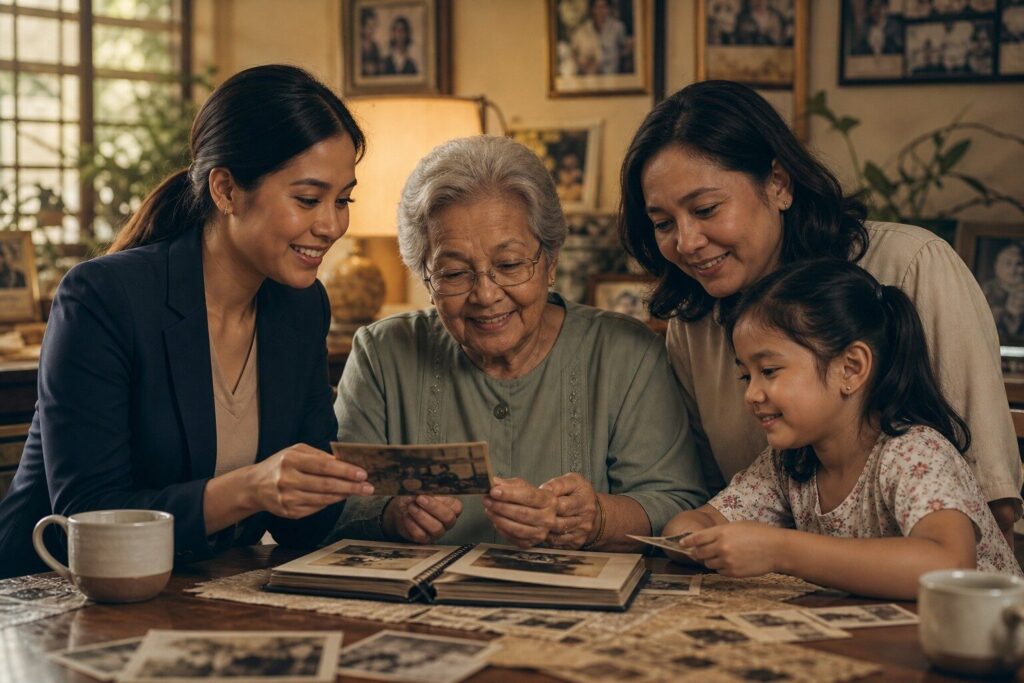
Losing someone we love changes the way we experience the world. Certain songs sound different. Familiar places carry new meaning. A photograph can suddenly hold an entire lifetime of memories.
While grief is deeply personal, finding meaningful ways to remember someone can bring comfort and help keep their presence alive in the lives of family and friends.
Here are five thoughtful ways to honor a loved one and preserve the memories that made their life special.
1. Create a Memory Space
A memory space does not have to be elaborate.
It could be a small corner of your home with a favorite photograph, candle, keepsake, flower, book, or personal belonging that reminds you of them.
For some families, this becomes a quiet place for reflection. For others, it becomes a place where children and grandchildren can learn about someone they may not have had the chance to know personally.
The objects may be simple, but the stories behind them are what give them meaning.
2. Keep Sharing Their Stories
One of the most powerful ways to preserve someone’s memory is simply to keep talking about them.
Tell the funny stories.
Share the lessons they taught you.
Remember the traditions they started, the expressions they always used, the food they loved, the places they visited, and the small habits that made them uniquely themselves.
Stories allow memories to move from one generation to another.
A child who never met a grandparent can still grow up understanding who that person was through the stories the family continues to tell.
3. Continue Something They Cared About
A person’s legacy often lives in the things they valued.
If they loved gardening, plant something in their memory.
If they regularly helped others, consider supporting a cause they cared about.
If they loved cooking, preserve their favorite recipes and prepare them during family gatherings.
If they had a tradition that brought people together, continue it.
Keeping a meaningful part of someone’s life going can transform remembrance into something active rather than something that exists only in the past.
4. Preserve Photos, Videos, and Voice Recordings
Photographs often become some of our most treasured possessions after someone is gone.
But photos are only part of a person’s story.
Old videos, handwritten letters, recorded messages, family recipes, documents, and even short voice recordings can become incredibly meaningful over time.
Hearing someone’s voice years later can bring back memories in a way a photograph sometimes cannot.
Unfortunately, many of these memories are scattered across old phones, social media accounts, hard drives, photo albums, and family members’ devices.
Taking time to organize and preserve them helps ensure they are not accidentally lost as technology changes.
5. Create a Lasting Place for Their Story
Families today are increasingly creating digital spaces dedicated to the lives of people they love.
Instead of memories being scattered across different devices and accounts, photos, videos, stories, milestones, and tributes can be gathered in one meaningful place.
This can be especially valuable for families living in different cities or countries, allowing relatives to revisit memories and contribute stories wherever they are.
Platforms such as **EternaLink** are designed around this idea: giving families a dedicated place to preserve a person’s story and share it across generations.
Rather than replacing traditional photo albums or keepsakes, a digital legacy can complement them by helping protect memories that might otherwise become difficult to find over time.
Memories Become Part of a Family’s History
There is no single correct way to remember someone. For some people, remembrance happens quietly. For others, it happens through family gatherings, storytelling, photographs, traditions, or digital memorials. What matters most is that the stories are not forgotten. Because years from now, future generations may want to know more than a name or a photograph.
They may want to know what that person believed in, what made them laugh, what they accomplished, what they loved, and how they shaped the family that came after them.
A life is made up of thousands of moments. Preserving even some of those moments can help ensure that a person’s story continues to be remembered, shared, and passed forward.